Budget 2026 Expectations for Indian Real Estate: Housing Affordability, Infrastructure & Green Growth
Budget 2026: What the Indian Real Estate Sector Expects
As Budget 2026 approaches, the Indian real estate sector is looking toward policy continuity, targeted fiscal support, and structural reforms that can sustain long-term growth. Increasingly recognised as a pillar of India’s economic expansion, real estate is expected to contribute significantly to employment generation and urban transformation.
Rather than dramatic announcements, the industry is seeking stability, execution efficiency, and investor confidence.
Real Estate as a Stable Long-Term Asset
Despite global and domestic volatility, Indian real estate continues to stand out as a resilient, long-term investment option.
Industry leaders are calling for:
- A stable and predictable policy framework
- Rationalisation of homebuyer taxation
- Faster approvals and single-window clearance systems
- Easier access to long-term institutional capital
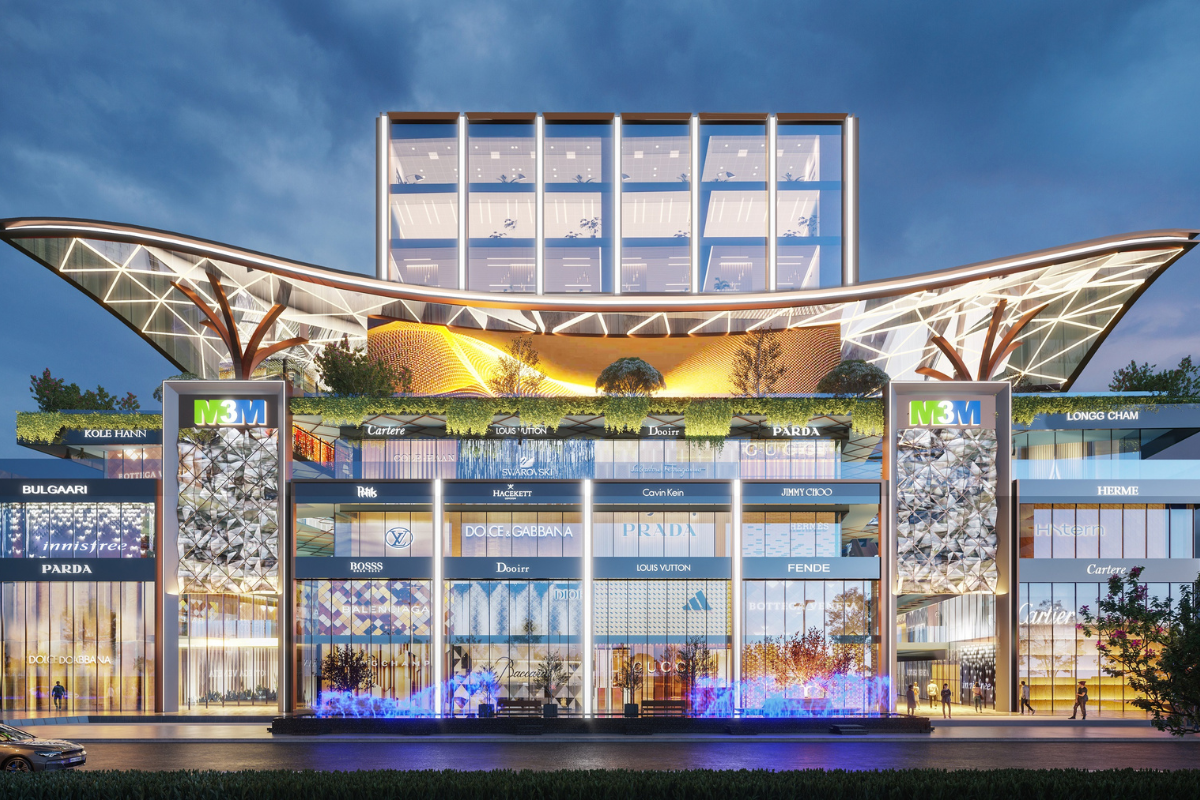
These measures would enhance capital efficiency and strengthen premium and mixed-use developments, particularly in competitive micro-markets like NCR and Gurugram.
Affordable Housing and Regulatory Reforms
Affordable and mid-income housing remains central to Budget 2026 expectations.
Key reforms the sector hopes for include:
- Expansion of EWS and PMAY schemes
- Reinstatement of Section 80EEA benefits for first-time buyers
- Granting industry status to real estate
- Continued infrastructure spending
- Supportive interest rate environment
Such measures can stimulate housing demand while improving liquidity for developers handling long-gestation projects.
Infrastructure as a Growth Multiplier
Infrastructure investment continues to anchor Indian real estate growth in 2026.
Major growth drivers include:
- Airports, railways and freight corridors
- Smart city initiatives and urban redevelopment
- Expansion of Tier 2 and Tier 3 cities
- Public-private partnership projects
Improved connectivity directly enhances property value appreciation and long-term investment returns.
Lower interest rates, GST rationalisation, and improved liquidity conditions could further accelerate private investment and project execution.
Capital Markets, REITs and Sustainable Development
From a capital markets perspective, Budget 2026 is expected to prioritise fiscal prudence and resilience against global shocks.
Key expectations include:
- GST rationalisation on construction and redevelopment
- Clearer regulatory frameworks for REITs
- Support for alternative capital pools
- Improved liquidity access
Sustainability is emerging as a defining theme. Incentives for green buildings, eco-friendly construction, and ESG-compliant developments could future-proof the sector and attract long-term institutional capital.
Emerging Demand Segments
Beyond traditional housing, segments such as holiday homes and tourism-driven developments are gaining traction. Continued infrastructure expansion and easier ownership norms may encourage deeper NRI participation.Enhanced affordability and stronger buyer sentiment could accelerate demand for second homes — viewed increasingly as both lifestyle assets and investment opportunities.
A Quality-Driven Growth Cycle
Budget 2026 is expected to reinforce stability rather than introduce sweeping changes.With sustained infrastructure investment, targeted fiscal reforms, easier capital access, and a sharper focus on quality and sustainability, real estate is positioned to expand its role in employment generation, urban development, and India’s journey toward becoming a globally competitive economic powerhouse.